
Create Depth.
Create a three-dimensional illusion of reality.
The Masterclass Goal: Create the 3D Illusion of Reality.
Creating the illusion of spatial depth is a key factor in making an image engaging, as it convinces the brain that it’s seeing reality. Images with little illusion of reality are perceived as two-dimensional graphics – which the brain places a very low priority on because they only provide a small amount of useful information. It may be argued that, because a photograph depicts the three-dimensional world, it naturally conveys a sense of spatial depth and distance. – The problem is that the camera alters the tones and reduces the sense of depth. We must manually enhance the sense of depth to replace what the camera took out in order to create the illusion of depth strong enough to be a believable, convincing illusion.
Benefits for your Photography.
1. Why it’s important to build a convincing illusion of depth. Depth perception is a primary way we navigate and make sense of the world around us. We engage most with reality and two-dimensional graphic images and patterns less. – The more we create a sense of depth, the more we connect and engage with the image.
2. It influences your composition. Because the sense of depth and spatial distance is so important and powerful in a picture, it influences where we stand and how we compose the picture. – We need to include visual elements that convey depth and can be exaggerated in post-production, such as overlapping objects.
3. Why pictures fail. A common mistake photographers make is retouching photos in ways that contradict the science of how we perceive spatial depth. For example, when we make distant mountains too dark or black – from the brain’s perspective, we transform the image into a 2D graphic, the worst scenario for engagement.
4. Increase viewer engagement time. When you provide a clear sense of distance, you offer viewers a visual reward; this quality encourages viewers to explore your photograph for much longer because they can mentally travel through and around its different layers and objects. Viewer engagement is a measure of its success.
5. The foreground object. The most common application of the principle of depth. However, this alone is a very superficial way to create depth in pictures, because humans don’t perceive depth or spatial distance solely from having a foreground object. There are several ways, and all must be used to create the illusion.

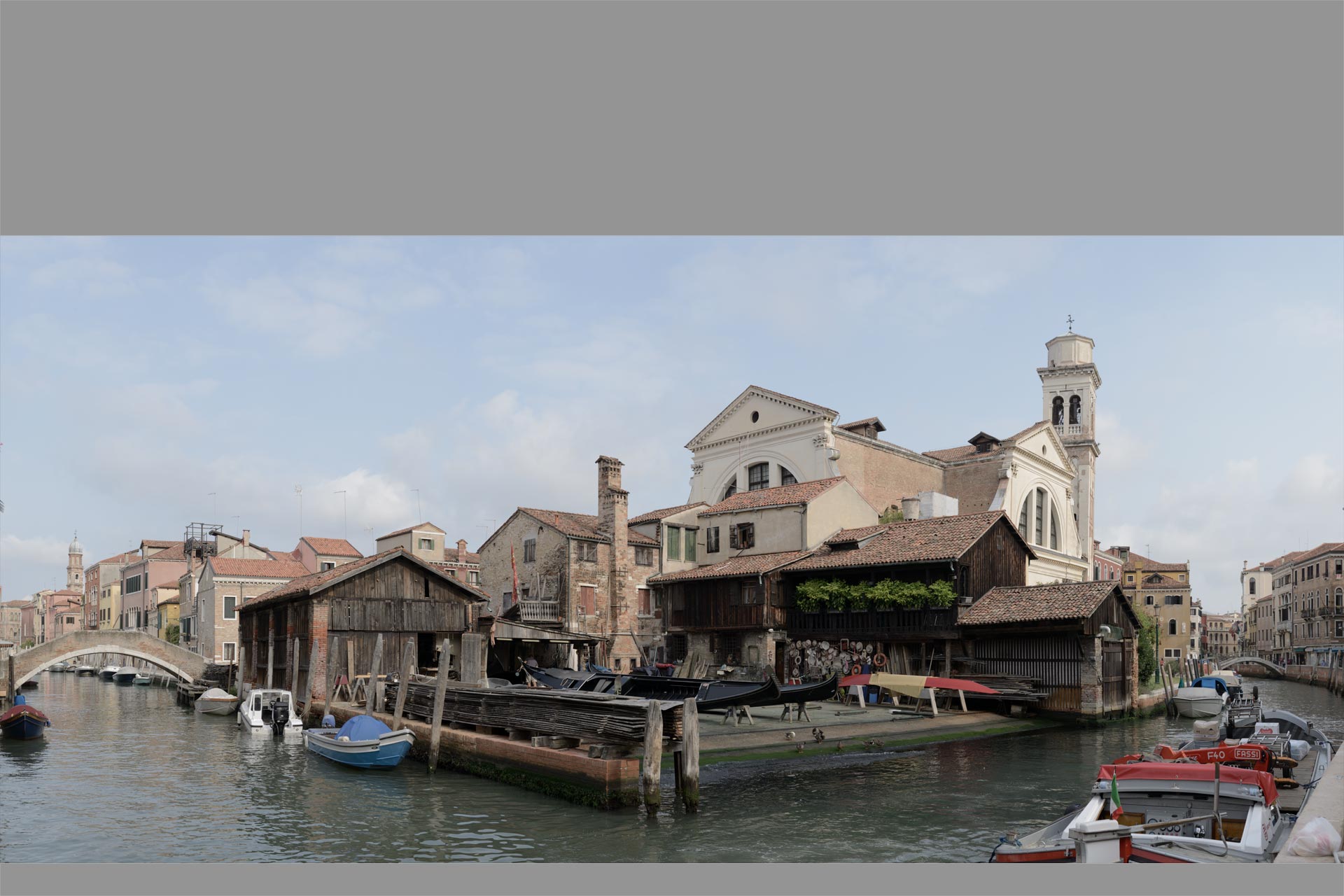
Requirements & Free Video Recordings.
Sessions are held online via Zoom video conferencing. I will email you a meeting link before the session, and sessions are recorded live as documentation. – Please note: These recordings and their content remain the copyright and intellectual property of David Osborn. – They are for your private use only and may not be shared, reproduced, or used commercially, including on social media. Enrollment constitutes your agreement to these terms. I teach using Photoshop; the concepts taught can be applied to any image-editing software. Photoshop just allows greater control and better creative freedom.
David Osborn Photography
69 Grange Gardens, Southgate,
London N14 6QN, England.
UK +44 (0) 771 204 5126
David@DavidOsbornPhotography.com
Let’s Talk.

Let’s chat live on a video call first, free of charge and with no obligation, to answer any questions and concerns you may have before you make any booking. – Please email me, and we will arrange a date to talk in person.